As you navigate the ever-changing landscape of online marketing, it’s natural to wonder: is digital marketing legit? With so many self-proclaimed gurus and overnight success stories, it can be difficult to separate fact from fiction. Moreover, the rise of Artificial Intelligence (AI) and Machine Learning (ML) has transformed the way businesses approach digital marketing, making it more complex and nuanced than ever before.
In 2026, digital marketing is no longer a niche aspect of business operations, but a crucial component of any successful strategy. Therefore, it’s essential to understand the ins and outs of digital marketing, including its benefits, challenges, and best practices. As a result, you’ll be better equipped to make informed decisions about your online presence and stay ahead of the competition. Furthermore, with the help of Google Analytics and other digital marketing tools, you can track your progress, identify areas for improvement, and optimize your strategy for maximum ROI.
This article will provide you with a comprehensive guide to digital marketing in 2026, covering topics such as the legitimacy of digital marketing, its benefits and challenges, and the best strategies for success. We’ll also explore the role of ChatGPT and other AI-powered tools in digital marketing, and discuss the importance of Search Engine Optimization (SEO) and Pay-Per-Click (PPC) advertising. Consequently, by the end of this article, you’ll have a deeper understanding of digital marketing and be able to create a effective online strategy that drives real results.
Understanding Digital Marketing
Digital marketing is a broad term that encompasses a wide range of strategies and tactics, including Social Media Marketing, Email Marketing, and Content Marketing. However, at its core, digital marketing is about creating and distributing valuable, relevant, and consistent content to attract and retain a clearly defined audience. In addition, digital marketing involves using data analytics and performance metrics to track the success of your campaigns and make data-driven decisions.
One of the key benefits of digital marketing is its ability to reach a large and targeted audience, often at a lower cost than traditional marketing methods. Moreover, digital marketing allows you to engage with your customers in real-time, building brand awareness and driving conversions. As a result, digital marketing has become an essential component of any successful business strategy, and its importance will only continue to grow in the coming years.
Digital Marketing Channels
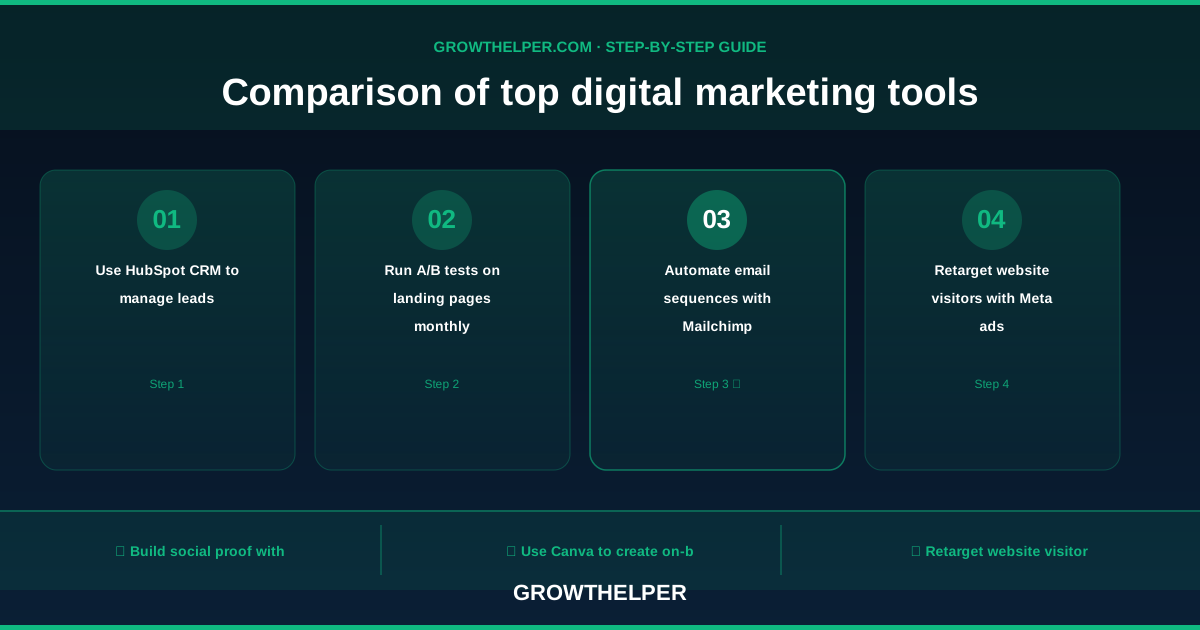
There are numerous digital marketing channels to choose from, each with its own unique benefits and challenges. For example, Facebook and Instagram are ideal for Social Media Marketing, while Mailchimp and Constant Contact are popular choices for Email Marketing. In addition, WordPress and HubSpot are well-known Content Management Systems (CMS) that can help you create and manage your online content.
Digital Marketing Strategies
A successful digital marketing strategy involves a combination of different tactics and channels, tailored to your specific business goals and target audience. Therefore, it’s essential to understand your audience, including their needs, preferences, and behaviors, and to create content that resonates with them. Moreover, you should use SEO and PPC advertising to increase your online visibility and drive traffic to your website.
In addition, you should leverage the power of Influencer Marketing and User-Generated Content (UGC) to build brand awareness and credibility. As a result, you’ll be able to reach a larger audience, build trust with your customers, and drive conversions. Furthermore, you should use Google Ads and Facebook Ads to target your audience and drive traffic to your website.
Measuring Success
To measure the success of your digital marketing campaigns, you should use key performance indicators (KPIs) such as website traffic, engagement, and conversion rates. Moreover, you should use Google Analytics and other data analytics tools to track your progress and identify areas for improvement. Consequently, you’ll be able to optimize your strategy, reduce costs, and maximize your ROI.
Digital Marketing Tools
| Tool/Method | Key Features | Price or Difficulty |
|---|---|---|
| Ahrefs | SEO auditing, keyword research, backlink analysis | $99-$999/month |
| Semrush | SEO auditing, competitor analysis, technical SEO | $99-$449/month |
| Mailchimp | Email marketing automation, landing pages, CRM | Free-$299/month |
| HubSpot | Inbound marketing, sales, and customer service platform | $45-$5,000/month |
| ChatGPT | AI-powered chatbot, content generation, language translation | Free-$100/month |
Actionable Digital Marketing Tips
- Use SEO to optimize your website and increase online visibility
- Leverage the power of Social Media Marketing to reach a larger audience
- Create high-quality, relevant content that resonates with your audience
- Use Email Marketing to nurture leads and drive conversions
- Utilize Influencer Marketing to build brand awareness and credibility
- Monitor and analyze your key performance indicators (KPIs) to optimize your strategy
Frequently Asked Questions
What is Digital Marketing?
Digital marketing is the promotion of products, brands, or services using digital channels such as search engines, social media platforms, email, and other websites. Moreover, digital marketing involves using data analytics and performance metrics to track the success of your campaigns and make data-driven decisions.
How Do I Get Started with Digital Marketing?
To get started with digital marketing, you should define your target audience, set clear business goals, and choose the digital marketing channels that best align with your objectives. In addition, you should create high-quality, relevant content that resonates with your audience, and use SEO and PPC advertising to increase your online visibility.
What is the Role of AI in Digital Marketing?
The role of AI in digital marketing is to automate and optimize marketing processes, such as content generation, email marketing, and social media management. Moreover, AI can help you analyze large amounts of data, identify patterns, and make predictions about future trends and behaviors.
How Do I Measure the Success of My Digital Marketing Campaigns?
To measure the success of your digital marketing campaigns, you should use key performance indicators (KPIs) such as website traffic, engagement, and conversion rates. Moreover, you should use Google Analytics and other data analytics tools to track your progress and identify areas for improvement.
Further Reading & Resources
To deepen your understanding of Is Digital Marketing Legit? The Real Truth Nobody Tells You (2026 Guide), the following authoritative resources are trusted by marketing professionals worldwide. Each offers unique value — from beginner guides to advanced strategy breakdowns.
- HubSpot Marketing Blog — The most comprehensive resource for Is Digital Marketing Legit? The Real Truth Nobody Tells You (2026 Guide) strategies, tutorials, and industry research.
- Neil Patel Blog — Expert guides, case studies, and data-driven insights on Is Digital Marketing Legit? The Real Truth Nobody Tells You (2026 Guide) for professionals.
- Search Engine Journal — Up-to-date news, how-to guides, and expert opinions on Is Digital Marketing Legit? The Real Truth Nobody Tells You (2026 Guide) trends and tools.
Conclusion
In conclusion, digital marketing is a legitimate and effective way to promote your business, drive traffic, and increase conversions. The three most important takeaways from this article are the importance of understanding your target audience, creating high-quality and relevant content, and using data analytics to track your progress and optimize your strategy. Moreover, you should leverage the power of AI and machine learning to automate and optimize your marketing processes, and use SEO and PPC advertising to increase your online visibility.
As a next step, you should define your target audience, set clear business goals, and choose the digital marketing channels that best align with your objectives. Moreover, you should create a comprehensive digital marketing strategy that includes content creation, email marketing, social media marketing, and SEO. Consequently, you’ll be able to drive real results, increase your online presence, and stay ahead of the competition. Furthermore, you should continuously monitor and analyze your key performance indicators (KPIs) to optimize your strategy and maximize your ROI.