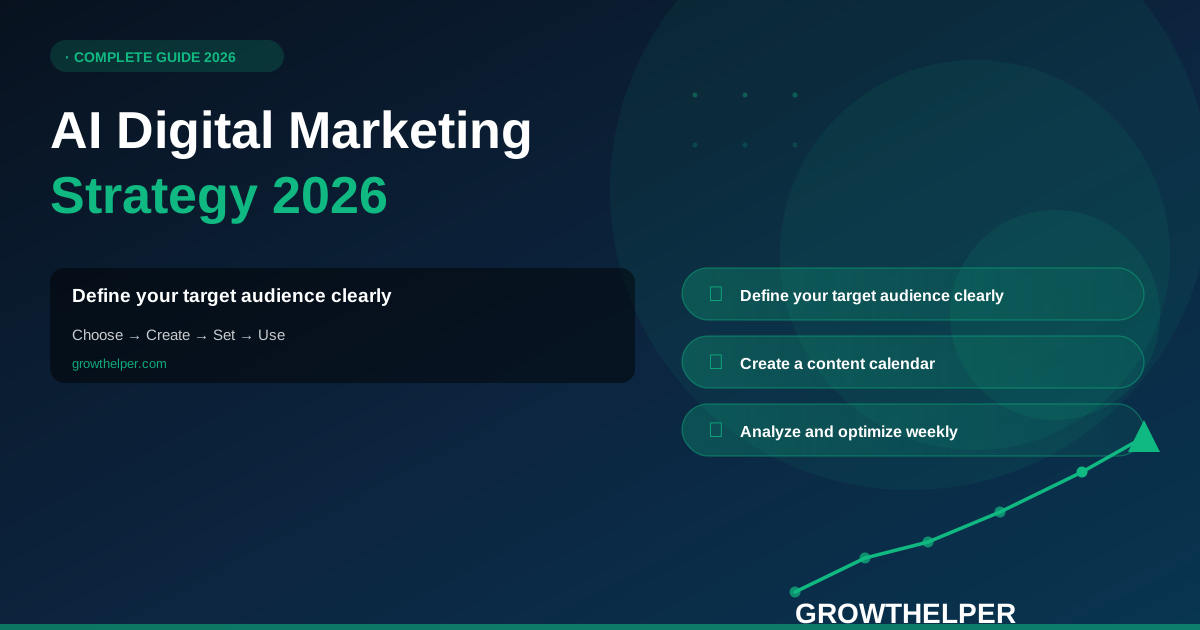
As we dive into 2026, it’s becoming increasingly clear that artificial intelligence (AI) will play a crucial role in shaping the digital marketing landscape. You’re probably wondering how to harness the power of AI to elevate your marketing efforts and stay ahead of the competition. In this article, we’ll delve into the world of AI digital marketing strategy, exploring the latest trends, tools, and techniques that will help you succeed.
The importance of AI in digital marketing cannot be overstated. With the ability to analyze vast amounts of data, identify patterns, and make predictions, AI is revolutionizing the way we approach marketing. From ChatGPT to Google Analytics, AI-powered tools are helping marketers optimize their campaigns, improve customer engagement, and drive conversions. As a result, it’s essential to develop a comprehensive AI digital marketing strategy that aligns with your business goals and objectives.
In the following sections, we’ll cover various aspects of AI digital marketing strategy, including the role of AI in SEO, the use of machine learning algorithms, and the implementation of email automation workflows. We’ll also discuss the benefits and challenges of using AI in digital marketing, providing you with actionable insights and practical tips to enhance your marketing efforts. Moreover, we’ll examine the latest AI-powered tools and platforms, such as HubSpot and Salesforce, and explore how they can be leveraged to drive business growth.
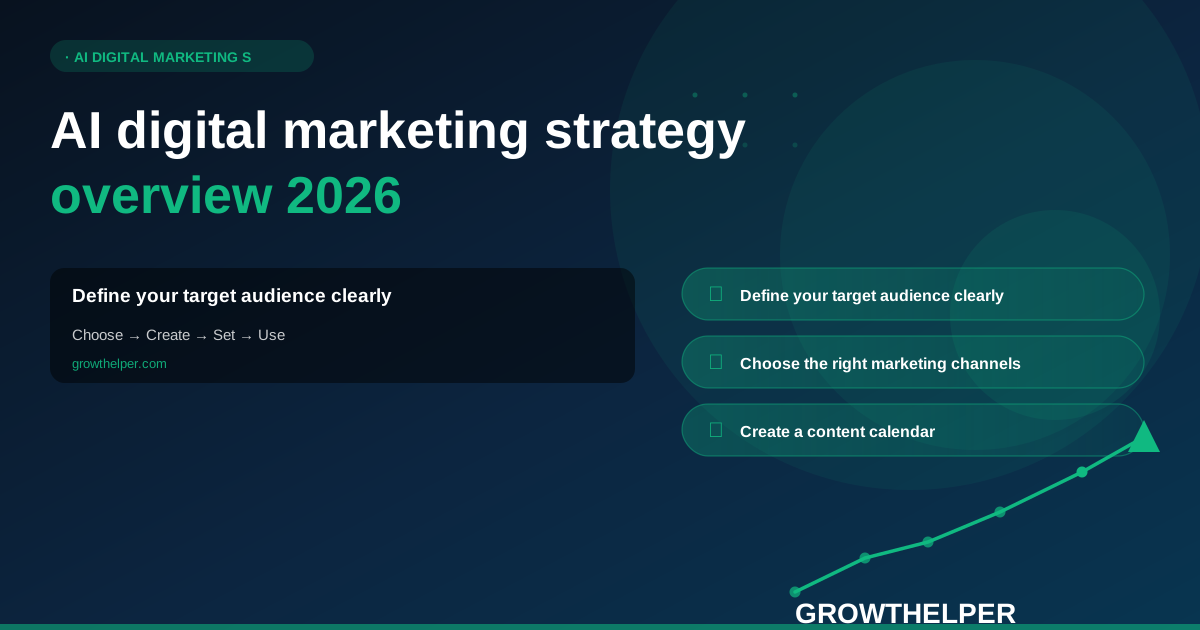
Understanding AI-Powered SEO
Search engine optimization (SEO) is a critical component of digital marketing, and AI is transforming the way we approach SEO. With the help of AI-powered tools like Ahrefs and Semrush, you can analyze your website’s technical performance, identify areas for improvement, and optimize your content for better search engine rankings. Furthermore, AI-driven SEO strategies can help you stay ahead of the competition by predicting search trends and identifying opportunities for keyword optimization.
In addition to technical SEO, AI can also be used to improve the quality and relevance of your content. By analyzing user behavior, AI algorithms can help you identify topics that resonate with your target audience, suggesting content ideas and optimizing your writing style for better engagement. Consequently, AI-powered SEO strategies can lead to improved search engine rankings, increased website traffic, and enhanced customer experience.
Technical SEO and AI
Technical SEO is a vital aspect of digital marketing, and AI can help you streamline your technical SEO efforts. With the help of AI-powered tools like Google Search Console and Bing Webmaster Tools, you can monitor your website’s performance, identify technical issues, and optimize your website’s structure for better crawlability and indexability.
Machine Learning and Predictive Analytics
Machine learning and predictive analytics are powerful AI technologies that can help you analyze customer data, identify patterns, and predict future behavior. By leveraging machine learning algorithms and predictive models, you can create personalized marketing campaigns, improve customer engagement, and drive conversions. Moreover, machine learning can help you automate repetitive tasks, such as data analysis and reporting, freeing up more time for strategic decision-making.
However, implementing machine learning and predictive analytics requires a deep understanding of data science and statistics. Therefore, it’s essential to invest in data science training and machine learning courses to develop the necessary skills and expertise. As a result, you’ll be able to unlock the full potential of machine learning and predictive analytics, driving business growth and staying ahead of the competition.
Implementing Machine Learning
Implementing machine learning requires a structured approach, starting with data collection and preprocessing. You’ll need to gather relevant data, clean and preprocess it, and then feed it into a machine learning algorithm. Moreover, you’ll need to evaluate the performance of your machine learning model, refining it continuously to improve its accuracy and effectiveness.
AI-Powered Email Automation
Email automation is a critical component of digital marketing, and AI can help you create personalized and engaging email campaigns. With the help of AI-powered email marketing tools like Mailchimp and Marketo, you can analyze customer data, create targeted email lists, and automate your email workflows. Consequently, AI-powered email automation can help you improve customer engagement, drive conversions, and enhance your overall marketing ROI.
In addition to email automation, AI can also be used to optimize your email content, improving its relevance and effectiveness. By analyzing customer behavior and preferences, AI algorithms can help you create personalized email content, suggesting subject lines, email copy, and calls-to-action that resonate with your target audience.
Comparing AI Digital Marketing Tools
| Tool/Method | Key Features | Price or Difficulty |
|---|---|---|
| HubSpot | AI-powered marketing automation, sales, and customer service tools | $800/month |
| ChatGPT | AI-powered chatbot and conversational marketing platform | Free/$20/month |
| Salesforce | AI-powered CRM and marketing automation platform | $1,250/month |
| Google Analytics | AI-powered web analytics and measurement platform | Free/$150,000/month |
| Ahrefs | AI-powered SEO and digital marketing platform | $99/month |
Actionable AI Digital Marketing Strategies
- Use AI-powered SEO tools to analyze your website’s technical performance and optimize your content for better search engine rankings
- Implement machine learning algorithms to personalize your marketing campaigns and improve customer engagement
- Create AI-powered email automation workflows to drive conversions and enhance your marketing ROI
- Leverage ChatGPT to create conversational marketing campaigns and improve customer experience
- Use Google Analytics to measure and optimize your website’s performance
- Invest in data science training and machine learning courses to develop the necessary skills and expertise
Frequently Asked Questions
What is AI Digital Marketing Strategy?
AI digital marketing strategy refers to the use of artificial intelligence (AI) technologies, such as machine learning and predictive analytics, to analyze customer data, create personalized marketing campaigns, and drive conversions. By leveraging AI-powered tools and platforms, you can optimize your marketing efforts, improve customer engagement, and enhance your overall marketing ROI.
How Can I Implement AI in My Digital Marketing Strategy?
Implementing AI in your digital marketing strategy requires a structured approach, starting with data collection and preprocessing. You’ll need to gather relevant data, clean and preprocess it, and then feed it into a machine learning algorithm. Moreover, you’ll need to evaluate the performance of your machine learning model, refining it continuously to improve its accuracy and effectiveness.
What Are the Benefits of Using AI in Digital Marketing?
The benefits of using AI in digital marketing are numerous, including improved customer engagement, enhanced marketing ROI, and increased efficiency. By leveraging AI-powered tools and platforms, you can automate repetitive tasks, create personalized marketing campaigns, and drive conversions. Moreover, AI can help you analyze customer data, identify patterns, and predict future behavior, enabling you to make data-driven decisions and stay ahead of the competition.
What Are the Challenges of Using AI in Digital Marketing?
The challenges of using AI in digital marketing include the need for significant investments in data science training and machine learning courses, as well as the potential risks associated with AI-powered decision-making. Moreover, implementing AI requires a deep understanding of data science and statistics, which can be a barrier for many marketers. However, by investing in the necessary skills and expertise, you can unlock the full potential of AI and drive business growth.
Further Reading & Resources
To deepen your understanding of AI digital marketing strategy 2026, the following authoritative resources are trusted by marketing professionals worldwide. Each offers unique value — from beginner guides to advanced strategy breakdowns.
- HubSpot Marketing Blog — The most comprehensive resource for AI digital marketing strategy 2026 strategies, tutorials, and industry research.
- Neil Patel Blog — Expert guides, case studies, and data-driven insights on AI digital marketing strategy 2026 for professionals.
- Search Engine Journal — Up-to-date news, how-to guides, and expert opinions on AI digital marketing strategy 2026 trends and tools.
Conclusion
In conclusion, developing a comprehensive AI digital marketing strategy is crucial for success in 2026. By leveraging AI-powered tools and platforms, such as HubSpot, ChatGPT, and Google Analytics, you can optimize your marketing efforts, improve customer engagement, and drive conversions. The three most important takeaways from this article are the importance of AI in digital marketing, the need to invest in data science training and machine learning courses, and the benefits of using AI-powered tools and platforms to drive business growth.
As a next step, you should start by assessing your current digital marketing strategy and identifying areas where AI can be leveraged to drive improvement. Consider investing in AI-powered SEO tools, machine learning algorithms, and email automation workflows to enhance your marketing efforts. Moreover, explore the latest AI-powered tools and platforms, such as Salesforce and Ahrefs, and evaluate how they can be used to drive business growth. By taking these steps, you’ll be well on your way to developing a comprehensive AI digital marketing strategy that drives success in 2026 and beyond.